
Claude
19 pieces on Claude, including 2 step-by-step guides.
Guides
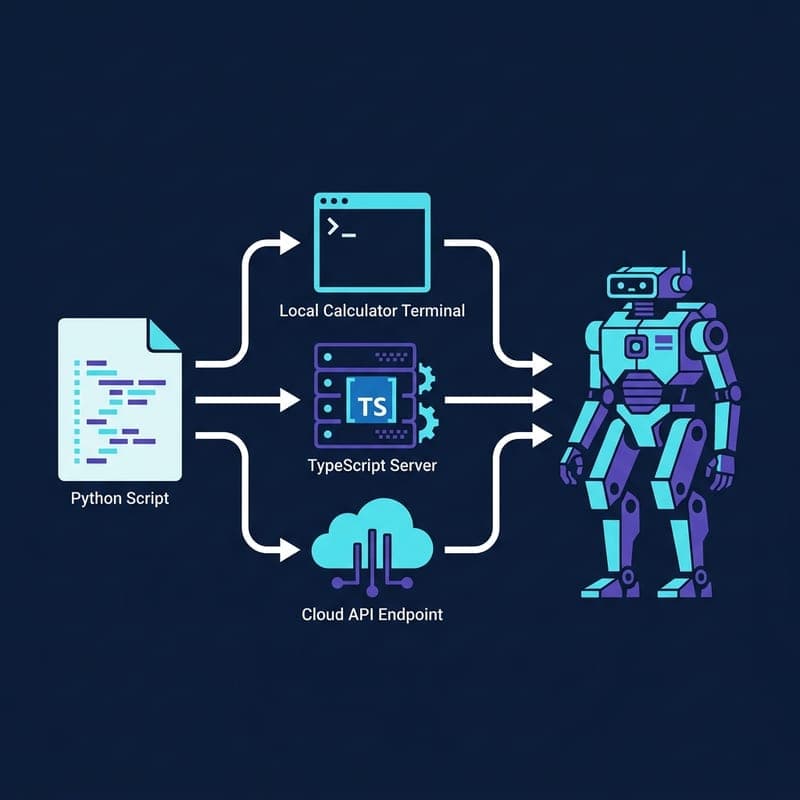
Build a Multi-Tool Claude Agent with MCP Servers in Python
Wire Claude to a local calculator, Brave search MCP server, and Anthropic-hosted tools in one extensible Python agent loop.
How to Remove Claude Watermarks from Text, Code, and Files
A practical guide to handling Claude watermarks across prose, Python code, and C2PA-marked files, with rewrite and inspection code.
News & Analysis
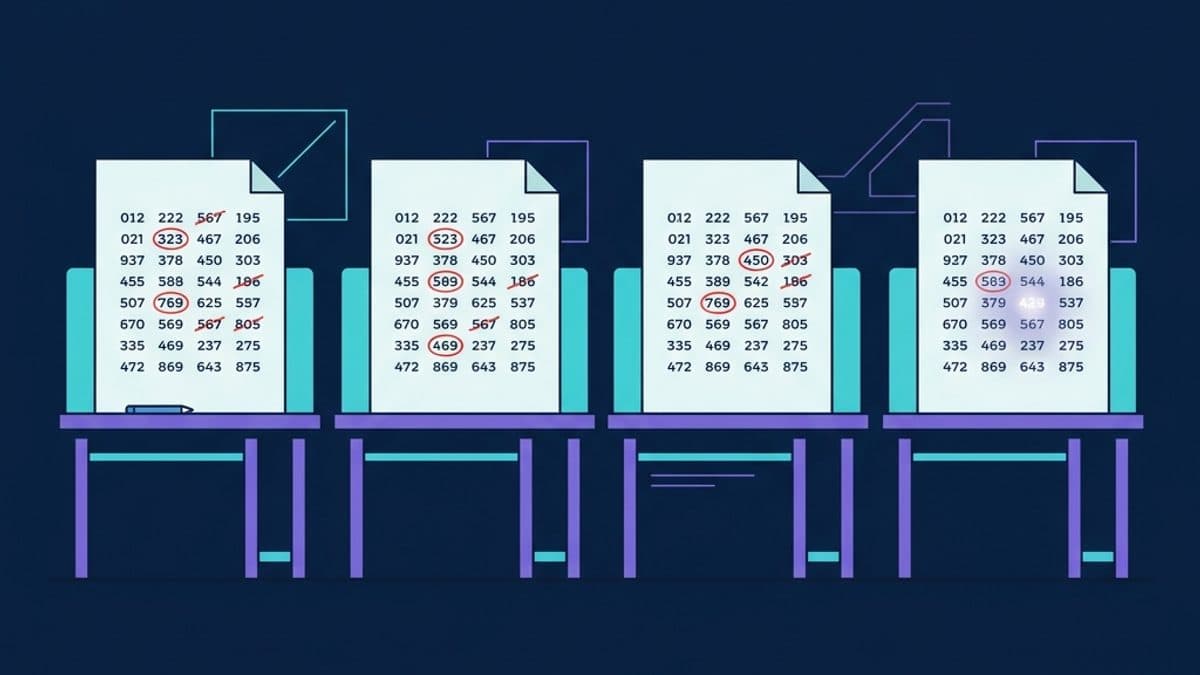
We Planted 20 Wrong Figures for 4 LLM Editors. Here's What Survived
We replayed real edit prompts against Sonnet 4.6, DeepSeek V4 Pro, GPT-5.6 Sol and Gemini 3.1 Pro. Self-reported confidence told us nothing.
Claude Sonnet 5.5 Beats Opus 5.5 on Agentic Coding at Half the Tier Price
Anthropic's Sonnet 5.5 scores 70.6% on Terminal-Bench 4.0, outpacing Opus 5.5's 66.4%, at the same $2/$10 per-million-token price as Sonnet 5.
Claude Code Gets Plugin Evals: 6 Grader Types and a CI Gate
Claude Code v2.1.269 adds `claude plugin eval` with 6 grader types, a no-plugin baseline arm, and a CI threshold gate to measure whether skills actually fire.
Anthropic's Apache 2.0 Commerce Agents Blueprint: Skills Over Subagents
Anthropic's open-source commerce-agents repo ships shopping and merchant agents, four verticals, and a gate layer—all under Apache 2.0.
Claude Fable 5.1 Hits 52.6% on Science Bench; Max Run Costs $3.30
Anthropic's Claude Fable 5.1 scores 52.6% on Terminal-Bench-Science 0.1 and ships five reasoning tiers ranging from ~$0.10 to $3.30 per prompt.
Claude Fable 5.1 System Prompt Bans Lyric and Character Reproduction
Anthropic's Fable 5.1 system prompt adds persistent lyric-refusal blocks and coded SVG character bans, days after Sony and Warner sued over training data.
Claude Cowork Now Shares Memory With Chat in Real Time
Anthropic merges Claude's chat and Cowork memory systems, eliminating manual re-briefing and writing context incrementally mid-session.
Claude Opus 4.6 Generates Explicit Content 10 of 10 Times
Anthropic's Opus 4.6 complied with explicit content requests 10/10 times in TechCrunch testing. Older models remain live on API, Azure, and Bedrock.
Claude Watermarks: Two Systems, Three Output Types, One Gap
Claude uses SynthID-Text for prose and signed C2PA metadata for images — but code sits in a weak middle ground with fewer statistical degrees of freedom.

Anthropic Explains How Claude's SynthID-Text Watermarks Work
Anthropic details Claude's SynthID-Text watermarking: how it survives edits, why code gets negligible signal, and what a detection API means for developers.
Anthropic Launches Claude Sonnet 5 as Lower-Cost Model for AI Agents
Claude Sonnet 5 brings stronger agentic coding, tool use, and knowledge-work performance to Anthropic's mid-tier model line while launching at a temporary lower API price.
Anthropic Faces White House Scrutiny Over Fable 5 and Mythos 5 Access
Anthropic is meeting US officials after access to Fable 5 and Mythos 5 was restricted over reported AI safety concerns.
Anthropic Opens Mythos-Class AI to the Public With Claude Fable 5 Safeguards
Claude Fable 5 brings Mythos-class AI to wider public access, but Anthropic is routing risky cyber, bio, and chemistry requests through stricter safeguards.
Anthropic Releases Claude Opus 4.8 with Stronger Agentic Reasoning and Honest Code Review
Anthropic's latest Opus release improves on its predecessor across benchmarks, adds dynamic multi-agent workflows in Claude Code, introduces effort controls for users, and cuts fast mode pricing by 3x — all at the same base cost.
Anthropic Acquires Stainless to Strengthen Claude's Developer Tooling
Anthropic is buying Stainless, the SDK and MCP tooling company behind its official API client libraries.
Anthropic Introduces Dreaming for Self-Improving AI Agents
Anthropic's new dreaming capability lets managed agents review past work, extract lessons, and turn repeated mistakes into reusable playbooks.
Anthropic Releases Claude Opus 4.7, Reclaiming the Top Spot Among Public AI Models
Anthropic's latest flagship model edges out rivals like GPT-5.4 and Gemini 3.1 Pro — but the company's most powerful AI remains deliberately locked away.