Python
29 pieces on Python, including 24 step-by-step guides.
Guides
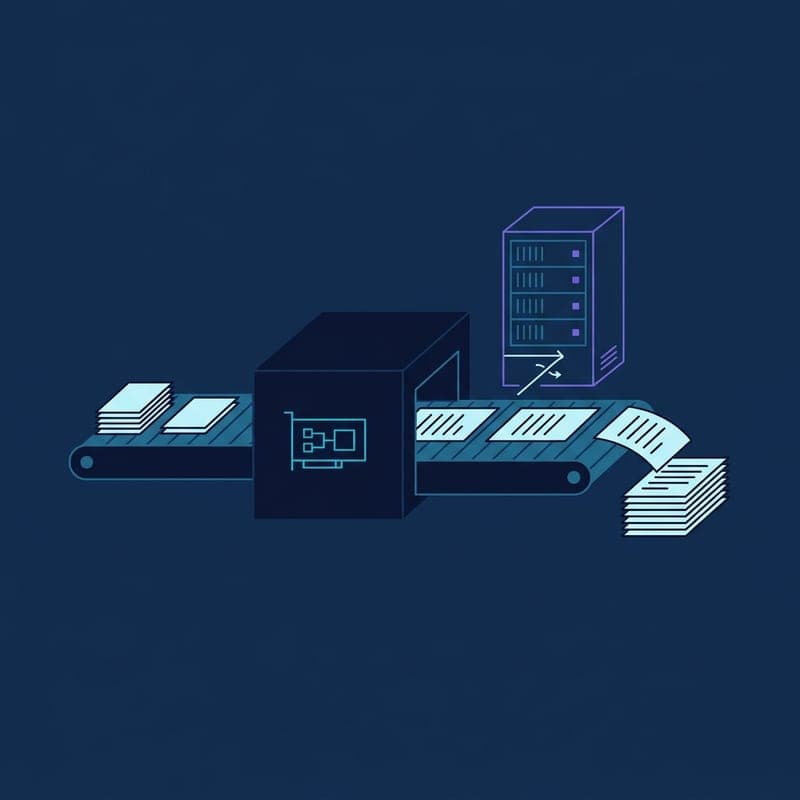
Run SGLang Offline Batch Inference Directly from Python
Use SGLang's offline_batch_inference.py pattern to batch-generate text without an HTTP server.
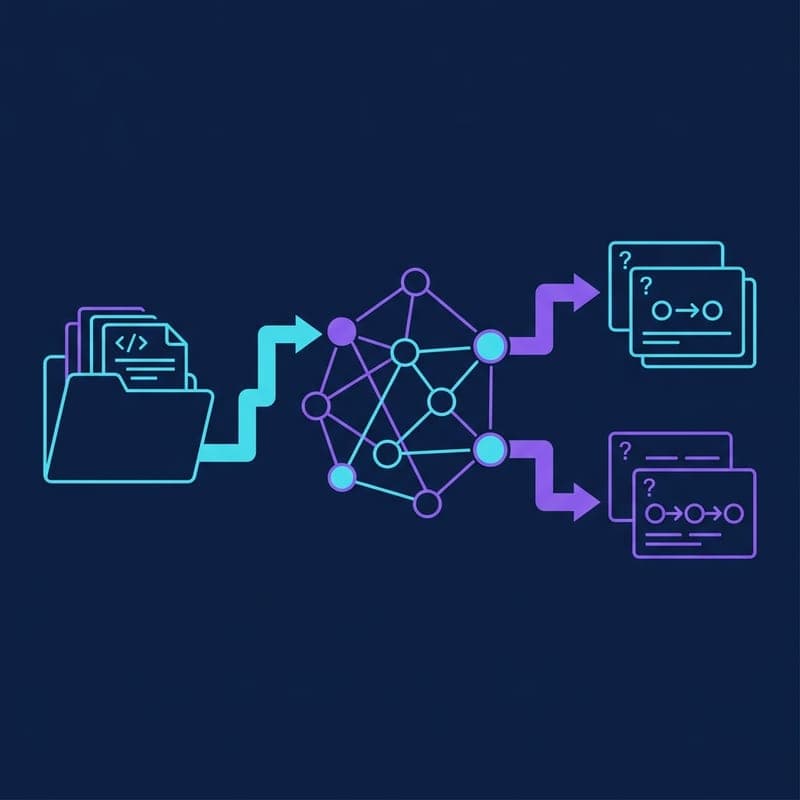
Generate Synthetic RAG Test Sets With Ragas
Build, save and reuse a Ragas knowledge graph to generate single-hop and multi-hop evaluation queries from Markdown documents.
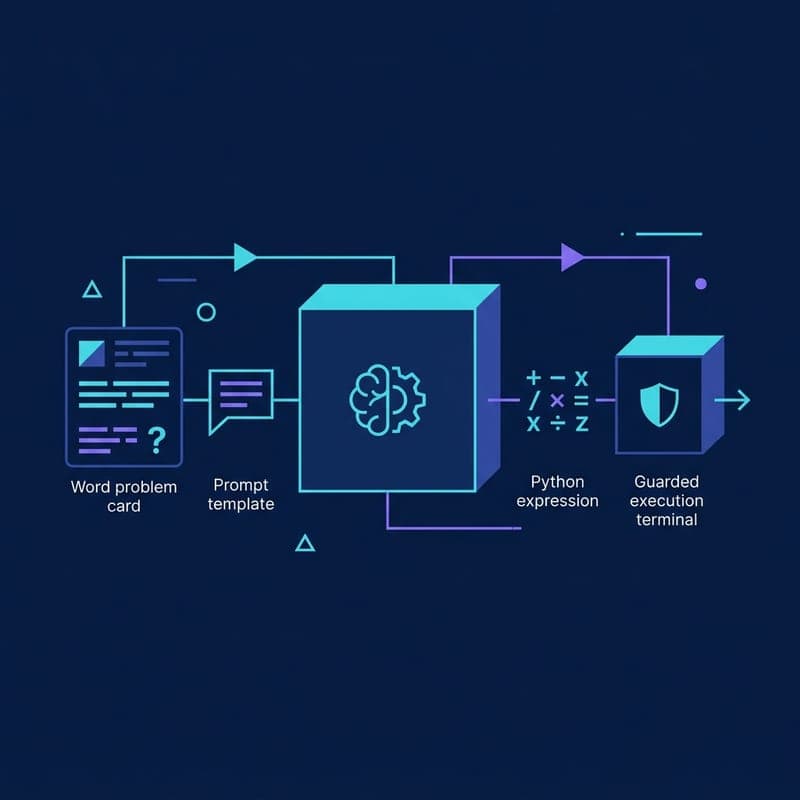
Generate and Run a Python Expression with Outlines
Use Outlines and GPT-4o mini to turn a word problem into a Python expression, execute it, and understand the risks of eval.
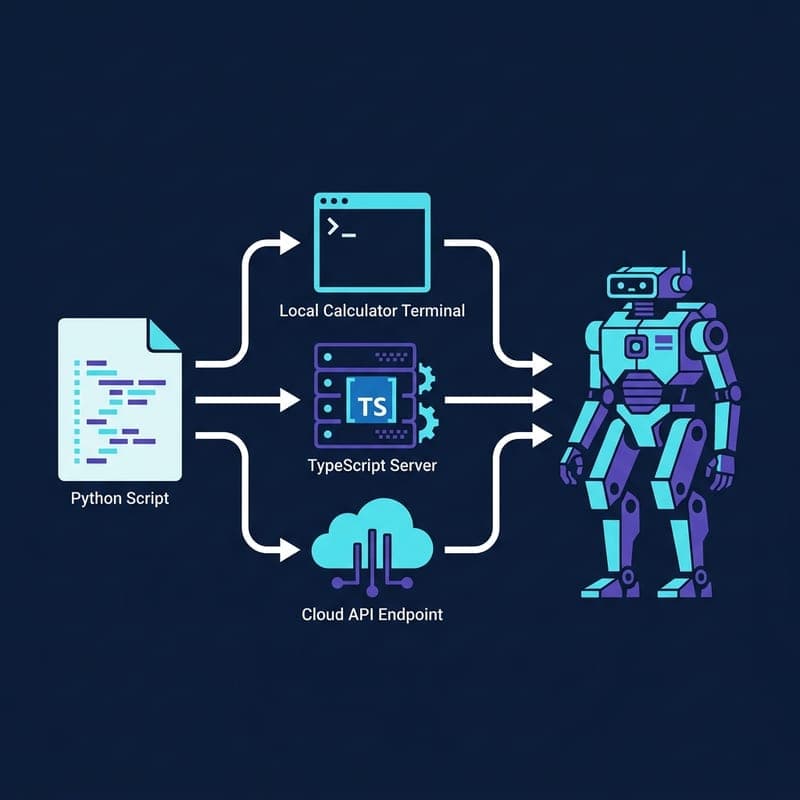
Build a Multi-Tool Claude Agent with MCP Servers in Python
Wire Claude to a local calculator, Brave search MCP server, and Anthropic-hosted tools in one extensible Python agent loop.
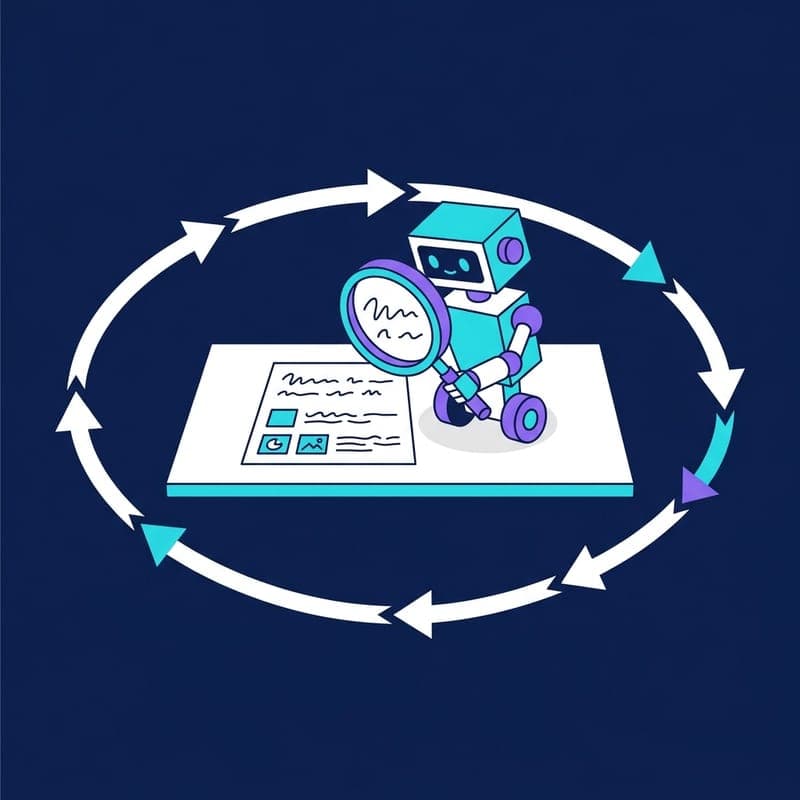
Automate Prompt Optimization with DSPy GEPA
Use DSPy's GEPA optimizer to automatically improve LLM prompts with scored examples and a reflection model — no hand-tuning required.
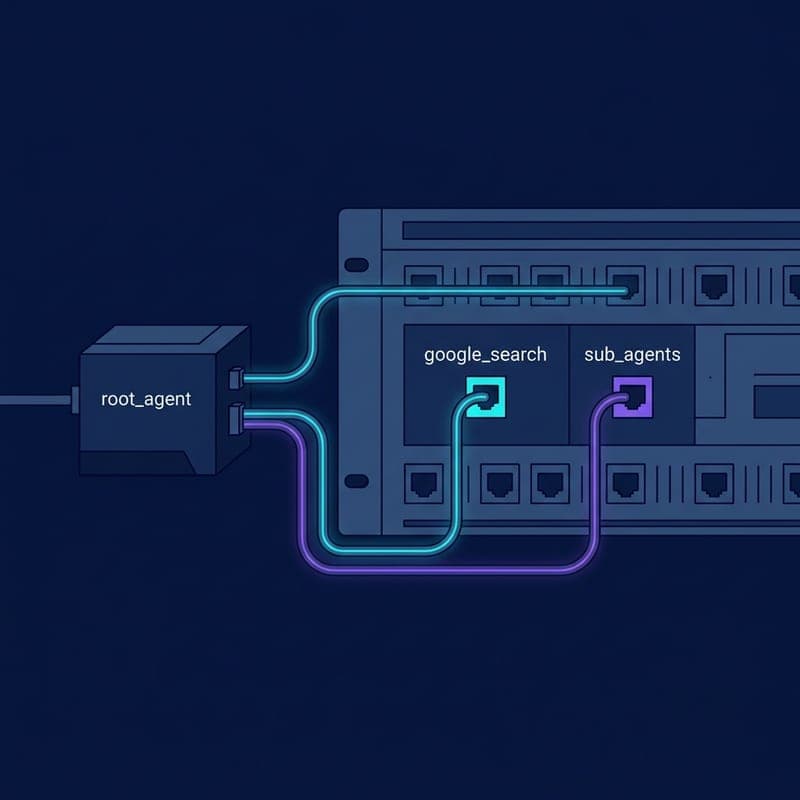
Build a Grounded Search Agent with Google ADK
Build a web-grounded AI agent with Google ADK's built-in google_search tool, from pip install to a grounded answer in the ADK dev UI.
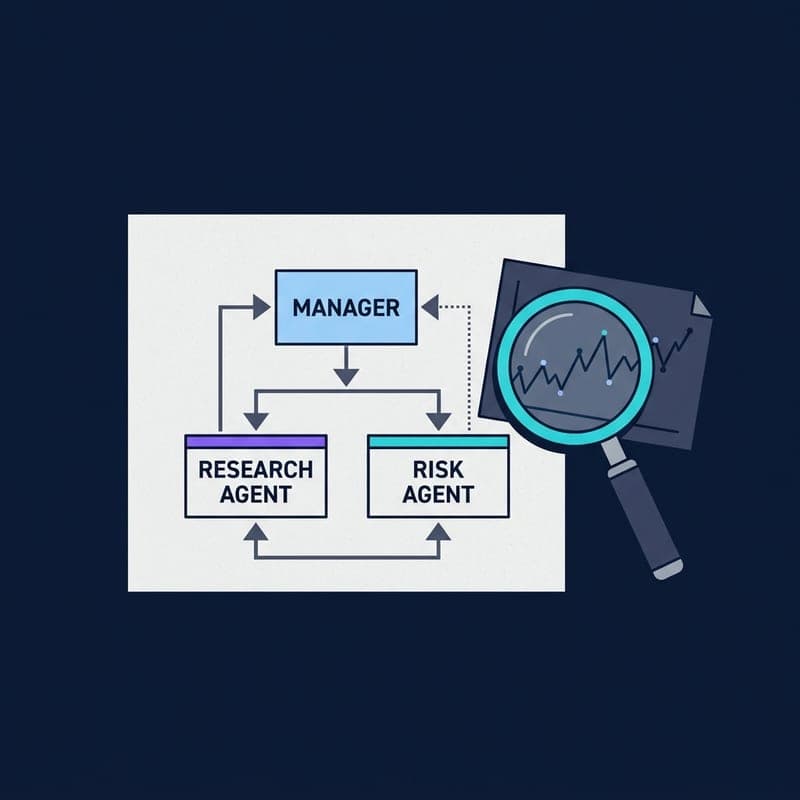
Build a Multi-Agent Financial Research Bot with OpenAI Agents SDK
Run the OpenAI Agents SDK financial research example: a planner, web-search agent, analyst tools, writer and evidence verifier.
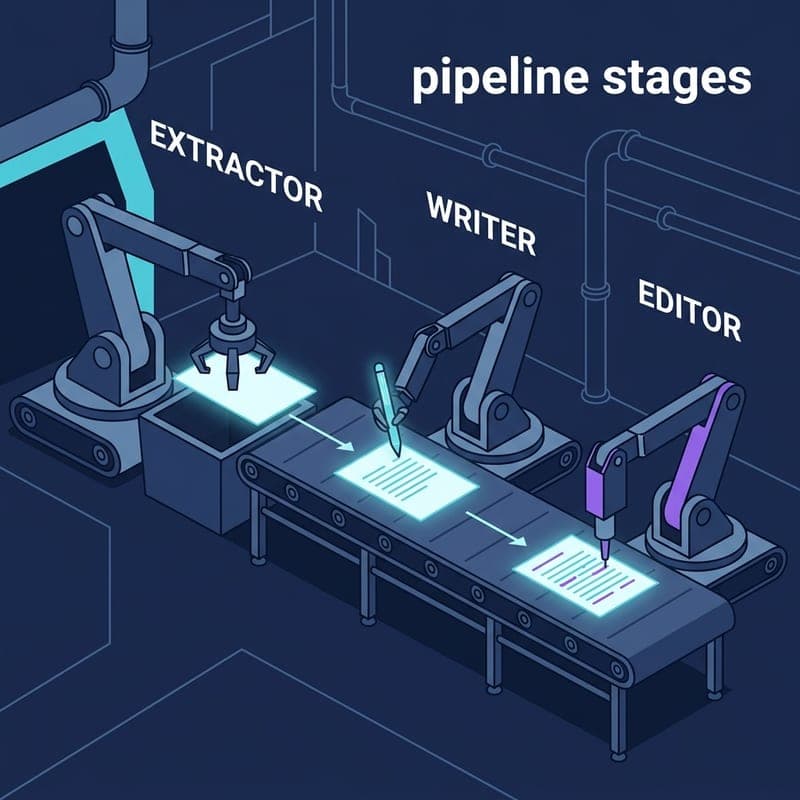
Build a Multi-Agent Sequential Pipeline with Semantic Kernel
Wire three specialised agents into an ordered pipeline using Semantic Kernel's SequentialOrchestration and InProcessRuntime — no glue code required.
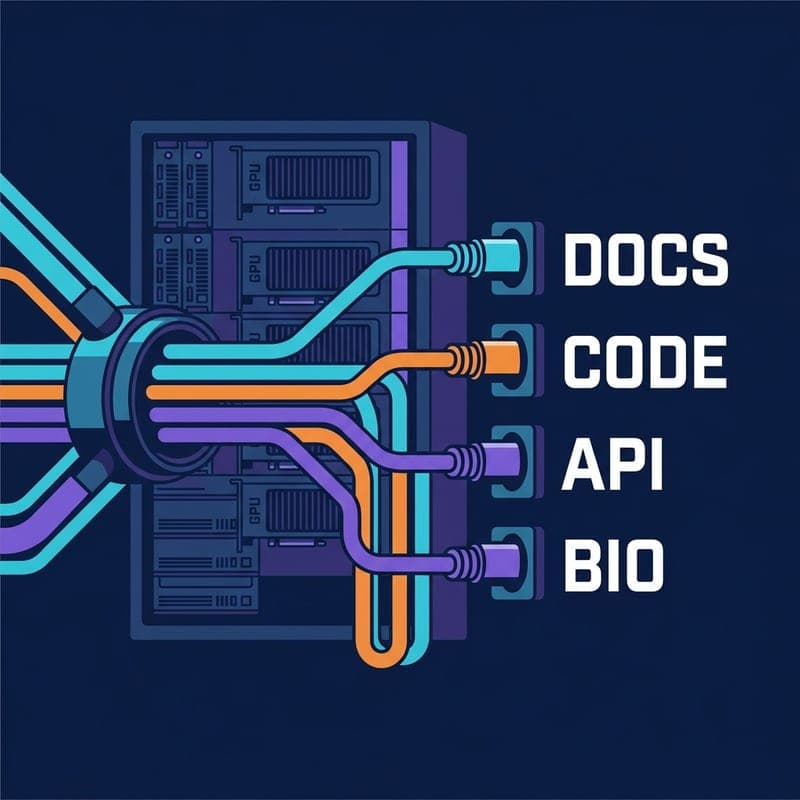
Build a Routed RAG Chatbot with LlamaIndex and Chainlit
Dispatch queries across independent retrieval pipelines using LlamaIndex QueryFlow, Chainlit, and NVIDIA NIM endpoints.

Chain of Verification with SGLang: Reduce LLM Hallucinations
Build a factored Chain-of-Verification pipeline with SGLang that runs draft, verify, refine, and summarize as independent LLM calls.
How to Remove Claude Watermarks from Text, Code, and Files
A practical guide to handling Claude watermarks across prose, Python code, and C2PA-marked files, with rewrite and inspection code.
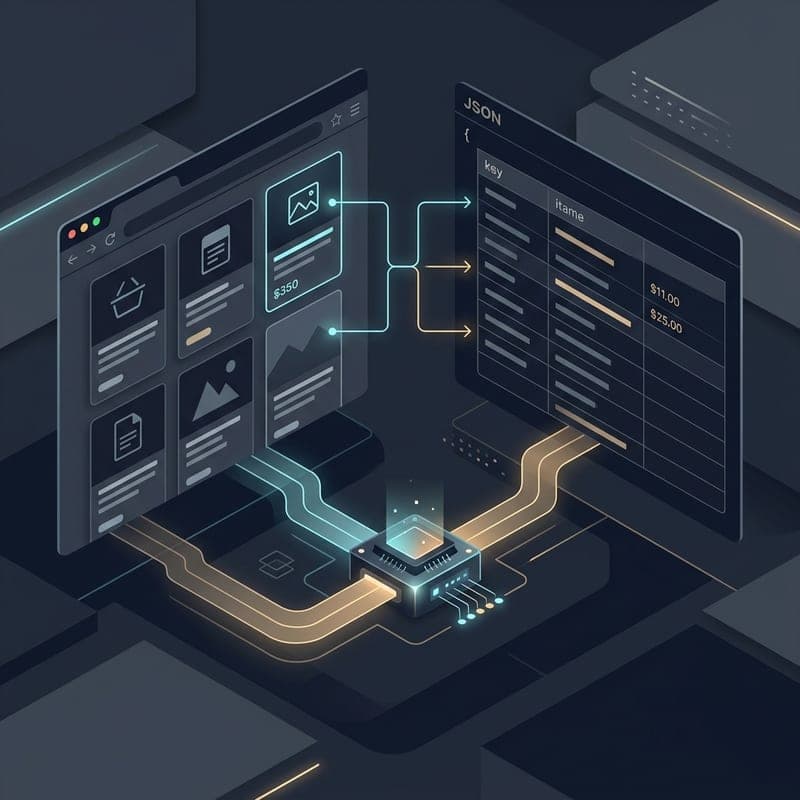
AI Web Scraping in Python: When an LLM Earns Its Cost
An LLM can read any page without a selector, and it bills you every time. Here is the decision rule, the Crawl4AI code for both paths, and the hybrid that pays for a model once and then runs free.
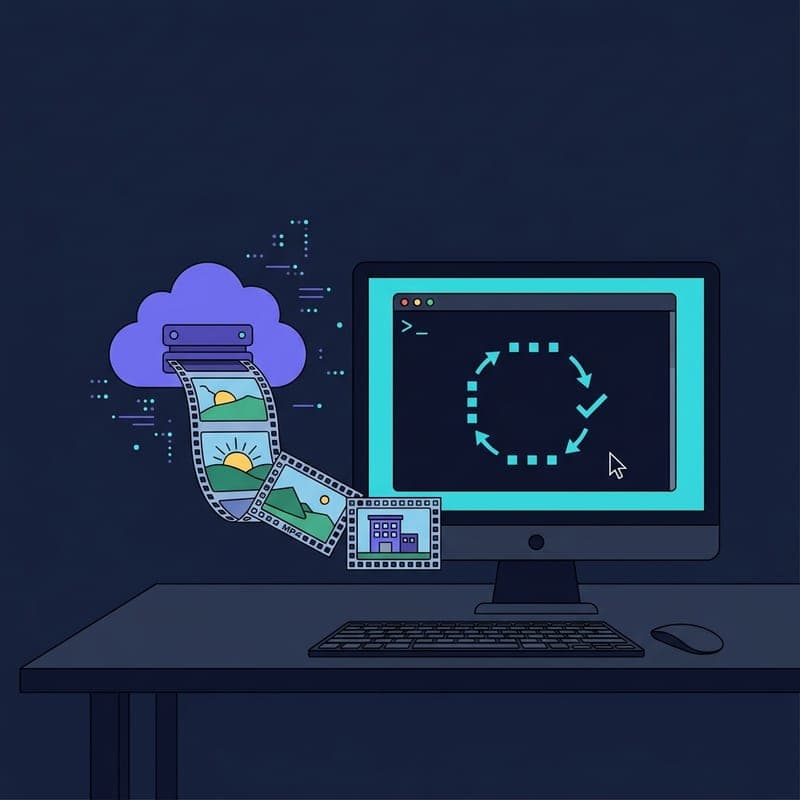
Generate Video with Google Veo 3.1 and the Gemini Python SDK
Call the Veo 3.1 API from Python to generate MP4s from text prompts, images, and reference assets — including audio, first/last frame control, and video extension.
Run parallel Claude agents with asyncio and a message hub
Build a lightweight Python orchestration layer that runs multiple Claude agents concurrently, routes messages between them via a shared hub, and synthesises results.
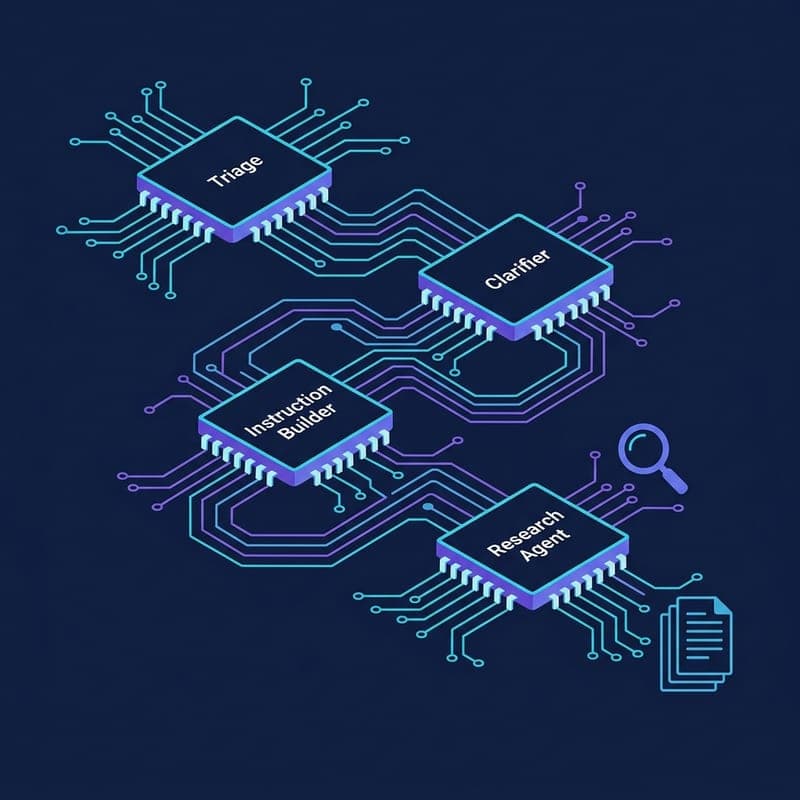
Build a Deep Research API Agent Pipeline with OpenAI
Run a four-agent Deep Research pipeline—clarification, prompt enrichment, MCP file search, and citation extraction—using OpenAI's agents SDK.
How to Run Qwen3 Locally with Ollama: Setup, API, and a Gradio App
Set up Qwen3 locally in minutes using Ollama. Covers every model variant, thinking mode control with /think and /no_think tags, CLI, REST API, Python SDK, and a practical Gradio reasoning app.
5 Cool Things I Did With Local Language Models
Discover five unique, practical, and incredibly fun projects you can build on consumer hardware using open source local LLMs.
Mastering Advanced RAG Evaluation: From Basic Metrics to LLM-as-a-Judge
Learn how to systematically evaluate Retrieval-Augmented Generation (RAG) pipelines using the RAG Triad, Ragas, and LLM-as-a-Judge techniques.
Building Context-Aware Search in Python with LLM Embeddings and Metadata
A complete guide to constructing a semantic engine using SentenceTransformers and pre-filtering metadata to return context-rich results.
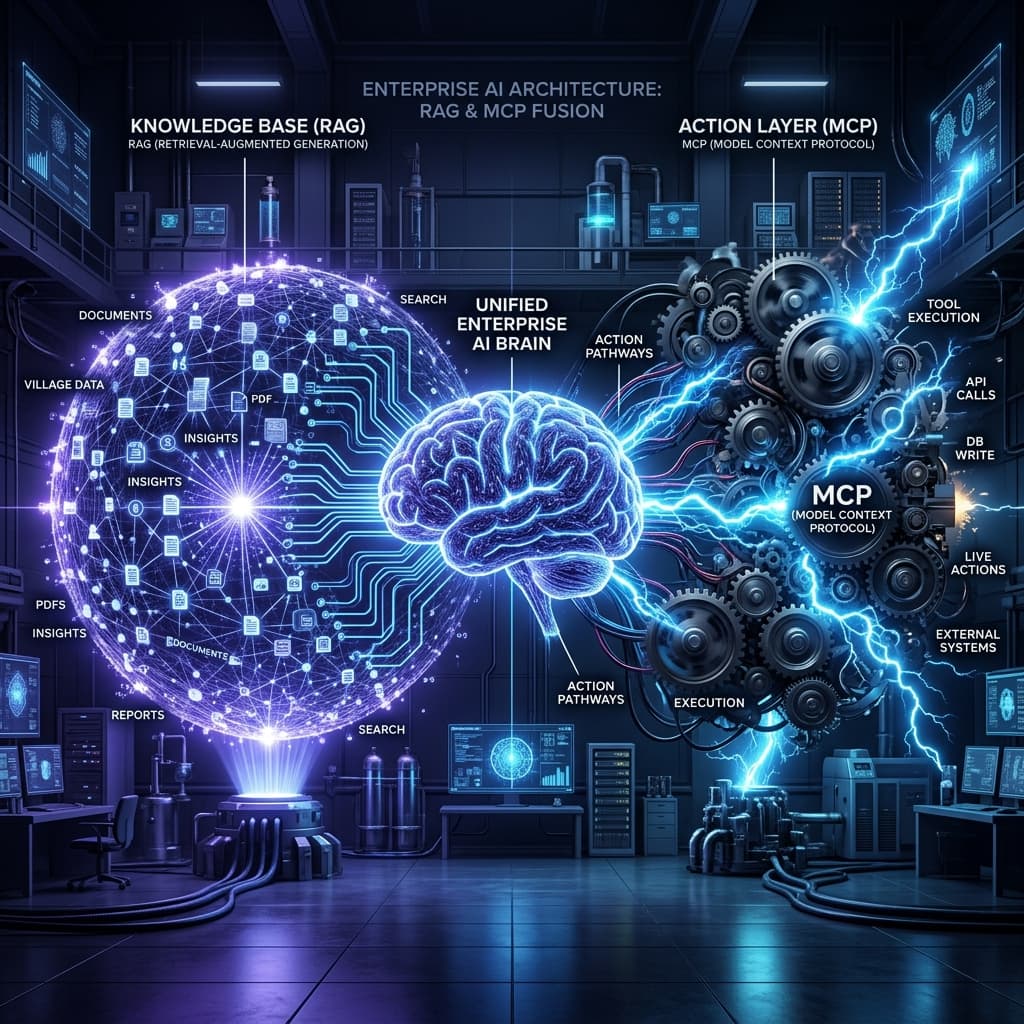
RAG vs MCP in 2026: What Each Solves and How They Fit Together
RAG is a technique for grounding answers in your data; MCP is a protocol for connecting models to tools and data. Build an MCP server and see where RAG fits.
Building AI Agents in Python with Pydantic AI
Learn how to build production-ready AI agents in Python using Pydantic AI, with structured outputs, custom tools, and dependency injection.
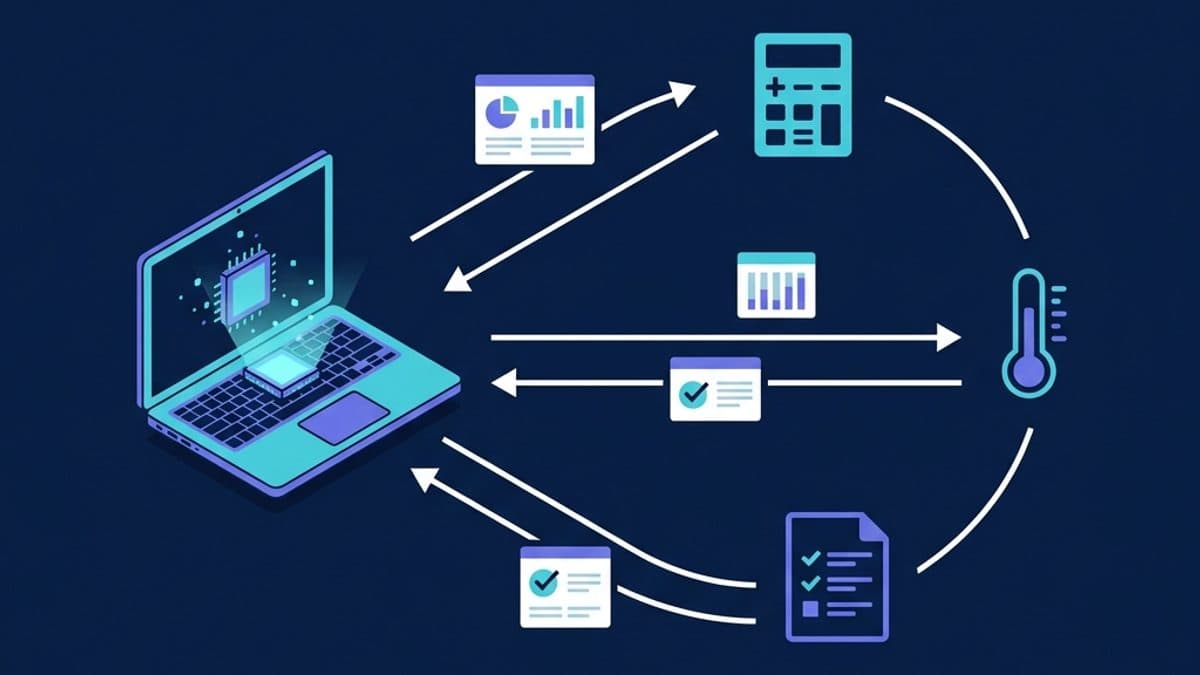
Build a Tool-Calling Agent with a Local Small Model and Ollama (2026)
Give a local small language model tools with Ollama's Python library: function tools, multi-tool streaming with thinking, and validated JSON output.
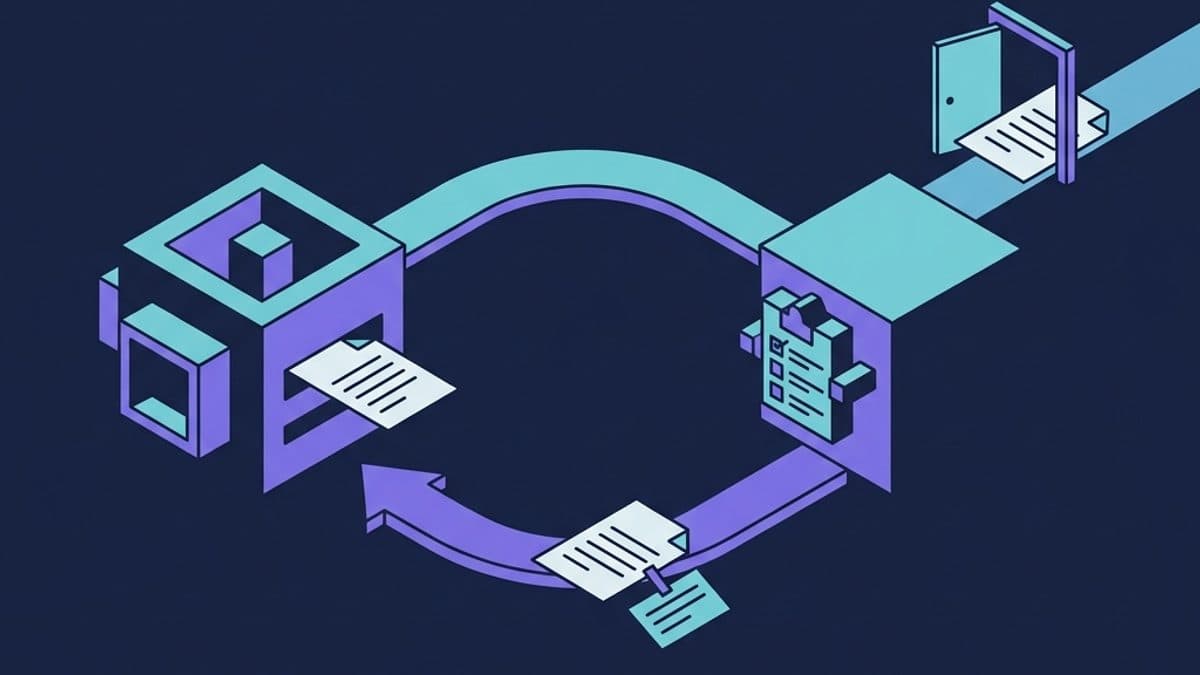
Self-Verification for AI Agents: Build an Evaluator-Optimizer Loop in LangGraph
Stop agent errors compounding: a generator drafts, an evaluator returns a structured verdict with feedback, and LangGraph loops until it passes.
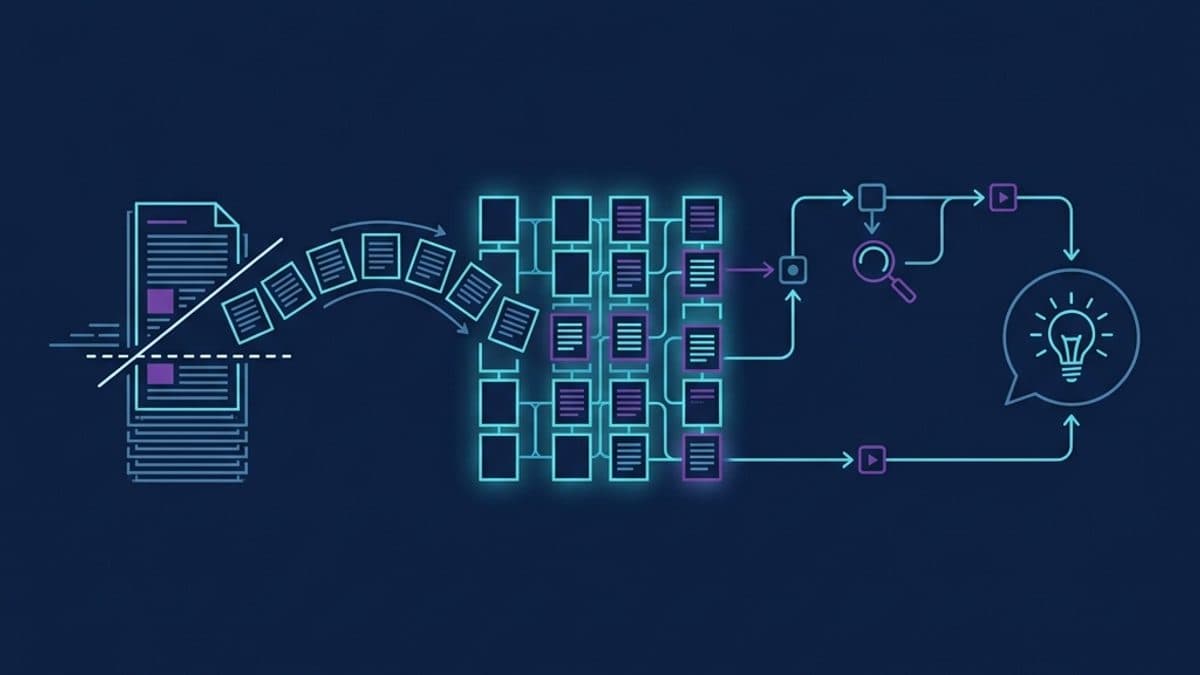
Getting Started with LangChain in 2026: Build a RAG Agent and a RAG Chain
Build retrieval-augmented generation two ways with LangChain 1.x: an agent that calls a retrieval tool, and a chain that injects context every time.
News & Analysis
40% of Production AI Failures Are Silent: Fix With a Watchdog
Datadog data shows 40% of production AI failures return HTTP 200. A lightweight 1B-parameter watchdog at each handoff seam catches what output-level eval cannot.
FireDucks Beats Pandas by Up to 20.77x on 10M-Row Benchmarks
NEC's FireDucks hits 20.77x faster sorting and 7.28x geometric mean speedup over pandas across 7 workloads — with just one import change.
wrapture Unifies Python Mocking and Tracing in One Primitive
Graham Dumpleton's new library brings wrapt-style monkeypatching to both test stubs and production tracing — with zero source changes required.
Valid JSON, Wrong Data: Where Structured Outputs Stop Working
Structured Outputs guarantee schema shape, not truth. Here's the three-layer fix for silent data corruption in LLM extraction pipelines.
NOOA: NVIDIA's Object-Oriented Agent Framework Explained
NVIDIA open-sources NOOA, a Python framework that collapses prompt templates, tool schemas, and workflow graphs into one class—with 82.2% on SWE-bench Verified.